Foods to Avoid With Diabetes: 10 Foods That Can Spike Blood Sugar Quickly
Foods to Avoid With Diabetes
Managing diabetes is not only about taking medication or checking blood sugar levels. For millions of Indians living with Type 2 diabetes or prediabetes, daily food choices play the biggest role in long-term sugar control. One of the most common questions patients ask is: what are the foods to avoid with diabetes?
The answer matters because certain foods can rapidly increase blood sugar, worsen insulin resistance, contribute to obesity, and raise the risk of complications like heart disease, kidney damage, and nerve problems.
Unfortunately, many Indian diets today are filled with refined carbohydrates, sugary drinks, processed snacks, and high-glycemic foods that silently push glucose levels higher every day.
The good news is that diabetes-friendly eating does not mean starving yourself or eliminating every enjoyable food. It means understanding which foods cause the biggest blood sugar spikes and making smarter replacements.
This guide explains the top foods to avoid with diabetes, why they are harmful, healthier alternatives, and practical strategies Indian diabetic patients can follow for better sugar control.
What Foods Should Diabetics Avoid? (Direct Answer)
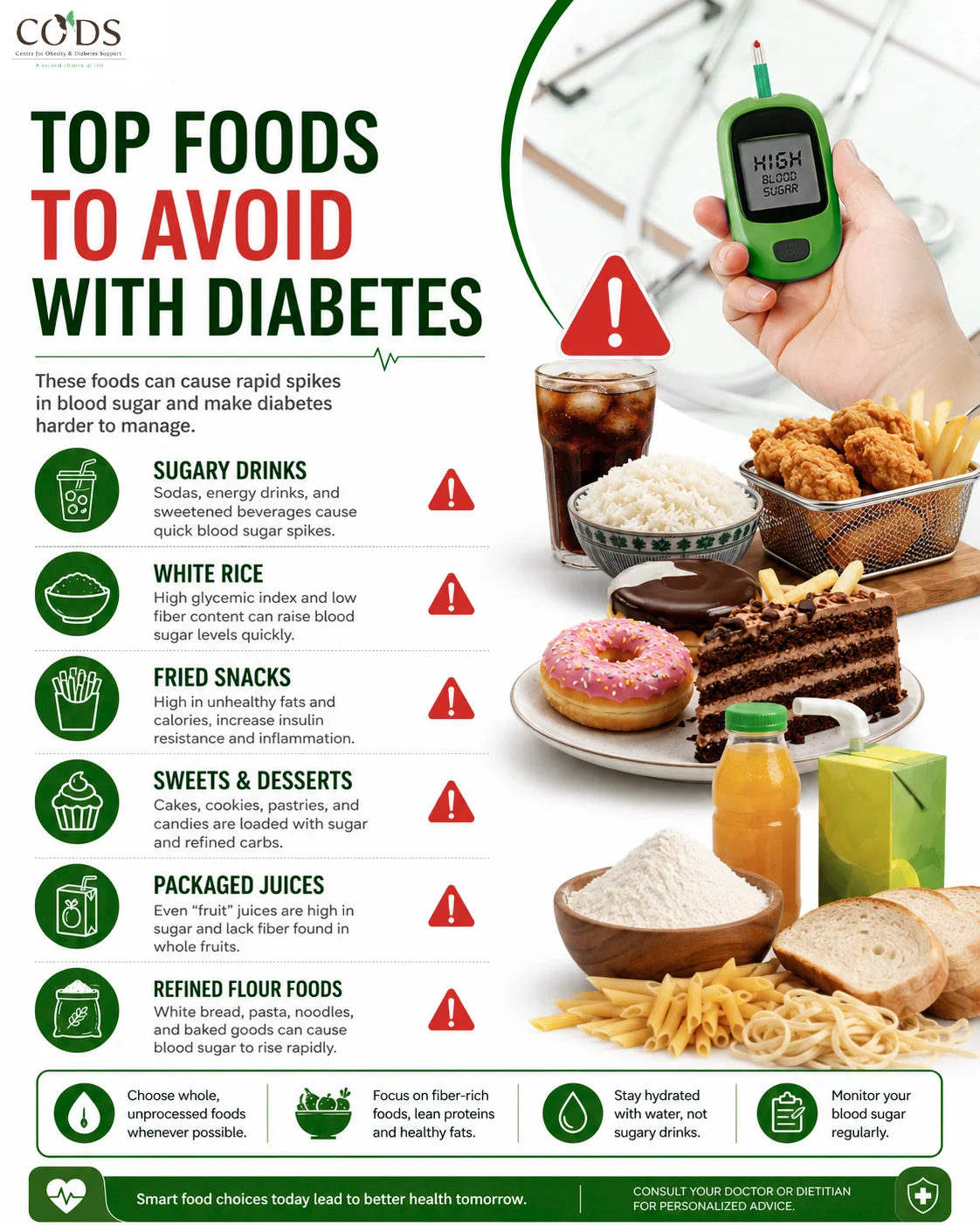
The main foods to avoid with diabetes include sugary beverages, refined carbohydrates, fried snacks, processed foods, sweets, white bread, packaged fruit juices, sugary cereals, and ultra-processed snacks. These foods rapidly raise blood sugar levels, worsen insulin resistance, and increase the risk of long-term diabetes complications when consumed regularly.
Why Certain Foods Are Dangerous for Diabetes
Diabetes affects how the body processes glucose.
When diabetic patients consume foods high in:
- refined sugar
- processed carbohydrates
- unhealthy fats
blood sugar rises quickly.
Over time, repeated sugar spikes can:
- damage blood vessels
- worsen insulin resistance
- increase HbA1c
- raise cardiovascular risk
Many foods common in modern Indian diets are especially problematic because they combine:
- high carbohydrate load
- low fiber
- excess calories
- poor nutritional value
Understanding these triggers is the first step toward better diabetes management.
10 Foods to Avoid With Diabetes
1. Sugary Drinks
Sugary beverages are among the worst foods to avoid with diabetes.
Examples
- Soft drinks
- Sweetened fruit juices
- Energy drinks
- Sweetened cold coffee
- Packaged iced tea
These drinks contain:
- large amounts of sugar
- almost no fiber
- rapid glucose absorption
A single bottle of soda can contain 8–12 teaspoons of sugar.
Better Alternatives
Water
Coconut water (moderation)
Unsweetened lemonade
Black coffee
Green tea
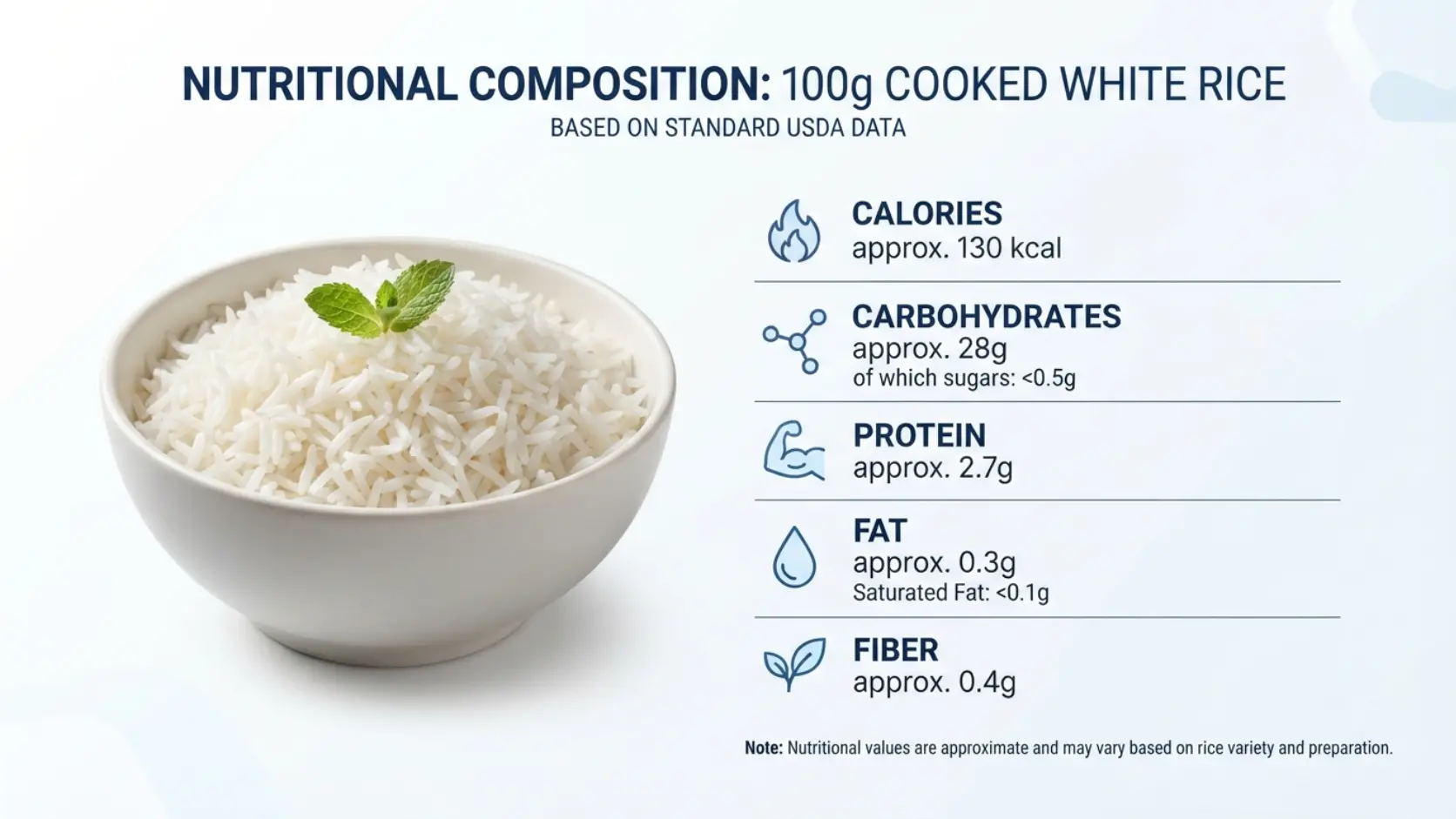
2. White Rice
White rice is a staple food across India, but excessive intake can significantly raise blood sugar.
Why?
- Low fiber
- High glycemic load
- Rapid digestion
This is especially problematic when eaten in large portions.
Better Alternatives
Brown rice
Quinoa
Millets
Smaller rice portions with vegetables
3. Refined Flour (Maida)
Maida-based foods are major foods to avoid with diabetes because they behave similarly to sugar in the body.
Common Indian Foods
- White bread
- Naan
- Bakery biscuits
- Pizza base
- Cakes
- Puffs
Refined flour lacks fiber and causes rapid glucose spikes.
Better Alternatives
Whole wheat roti
Multigrain bread
Oats
Millet rotis
4. Sweets and Mithai
Traditional sweets are loaded with:
- sugar
- ghee
- refined carbohydrates
Common Examples
- Gulab jamun
- Rasgulla
- Jalebi
- Ladoo
- Barfi
Even small portions can significantly increase blood sugar.
Better Alternatives
Nuts
Greek yogurt
Fruit in moderation
Sugar-free desserts occasionally
5. Fried Snacks
Deep-fried snacks worsen both:
- diabetes
- obesity
They are often:
- calorie dense
- high in unhealthy fats
- paired with refined flour
Examples
- Samosa
- Kachori
- Chips
- Bhujia
- Pakoras
Frequent consumption increases insulin resistance over time.
6. Packaged Fruit Juices
Many people assume fruit juice is healthy.
In reality:
packaged juices often contain:
- added sugar
- concentrated fructose
- almost no fiber
Even fresh juice can spike glucose rapidly because fiber is removed.
Better Alternative
Whole fruits instead of juice
7. Sugary Breakfast Cereals
Breakfast cereals marketed as “healthy” are often high in hidden sugar.
Common Problems
- Refined grains
- Added sweeteners
- Low protein
These foods can trigger glucose spikes early in the day.
Better Alternatives
Oats
Eggs
Poha with vegetables
Besan chilla
8. Flavored Yogurt
Many flavored yogurts contain:
- excess sugar
- syrups
- artificial flavoring
Better Alternative
Plain Greek yogurt with nuts or seeds
9. Processed Fast Food
Burgers, fries, pizzas, and processed fast foods are dangerous because they combine:
- refined carbs
- unhealthy fats
- excess sodium
These foods promote:
- obesity
- inflammation
- insulin resistance
10. Alcohol in Excess
Alcohol can:
- disrupt glucose regulation
- increase appetite
- affect liver function
Sweet cocktails and mixers are especially problematic.
Moderation is critical.
Comparison Table: Worst Foods vs Better Alternatives
Foods to Avoid With Diabetes |
Better Alternatives |
|---|---|
Fruit juice
|
Whole fruit
|
Sugary cereal
|
Oats
|
Ice cream
|
Greek yogurt
|
Fast food
|
Home-cooked meals
|
Sugary chai
|
Unsweetened tea
|
How These Foods Affect Blood Sugar
High Glycemic Foods
High-GI foods digest quickly and release glucose rapidly into the bloodstream.
This causes:
- sudden sugar spikes
- insulin overload
- energy crashes
Low Fiber Intake Worsens Diabetes
Fiber slows digestion and glucose absorption.
Most ultra-processed foods:
lack adequate fiber
This is one reason they are among the worst foods to avoid with diabetes.
Real-World Example
A 52-year-old office worker with Type 2 diabetes struggled with uncontrolled sugar despite medication.
Diet review revealed:
- sugary chai 3 times daily
- large white rice portions
- packaged snacks
- soft drinks
After replacing these foods with:
- high-fiber meals
- controlled carbohydrates
- healthier snacks
his HbA1c improved significantly within months.
This demonstrates how dietary habits strongly influence diabetes control.
Are All Carbohydrates Bad for Diabetes?
No.
This is one of the biggest misconceptions.
Healthy carbohydrates can provide:
- energy
- fiber
- nutrients
The goal is not eliminating carbs entirely it is choosing better carbohydrate sources.
Better Carbohydrates for Diabetics
Good Options
- Oats
- Brown rice
- Quinoa
- Millets
- Whole fruits
- Vegetables
- Legumes
These digest more slowly and produce steadier glucose responses.
Foods to Avoid With Diabetes During Breakfast
Breakfast choices significantly affect blood sugar throughout the day.
Avoid
Sugary cereals
White bread toast
Sweet biscuits
Processed juices
Better Options
Oats
Eggs
Vegetable poha
Upma with fiber-rich vegetables
Foods to Avoid With Diabetes at Night
Late-night high-carb meals can worsen fasting sugar levels.
Avoid at Night
- Heavy rice meals
- Sweets
- Fried snacks
- Sugary drinks
Better Evening Choices
- Soup
- Salad
- Protein-rich snacks
- Light meals
Best Snacks for Diabetic Patients
Instead of unhealthy snacks, choose:
- roasted chana
- almonds
- walnuts
- sprouts
- boiled eggs
- cucumber slices
These provide satiety without causing sharp sugar spikes.
Can Diabetics Eat Fruit?
Yes but portion control matters.
Some fruits are safer than others.
Better Fruits
- Guava
- Apple
- Papaya
- Berries
Fruits to Limit
- Grapes
- Chikoo
- Large mango portions
Step-by-Step Guide to Reducing Harmful Foods
Step 1: Remove Sugary Drinks
This often creates the fastest improvement.
Step 2: Reduce Refined Carbs
Switch from maida to whole grains.
Step 3: Increase Fiber
Add:
- vegetables
- salads
- legumes
Step 4: Monitor Portions
Even healthy foods require moderation.
Step 5: Read Labels
Avoid products with:
- added sugar
- corn syrup
- refined flour
Tools That Help Diabetic Patients
Helpful Tools
- Glucose monitors
- Food tracking apps
- Portion measurement bowls
- Fitness trackers
These help improve dietary awareness and consistency.
Limitations and Important Considerations
Not every diabetic patient responds identically to food.
Factors affecting glucose response include:
- medication
- activity level
- insulin resistance
- genetics
- sleep
- stress
Patients with severe diabetes should consult healthcare professionals before major dietary changes.
Frequently Asked Questions
Sugary drinks, sweets, refined carbohydrates, fried foods, and processed snacks are among the worst foods for diabetic patients.
Yes, but portion control is important. Brown rice and millets are generally better choices than large servings of white rice.
Whole fruits in moderation can be part of a healthy diabetic diet. Fruit juice is usually less suitable because it lacks fiber.
Frequent fried food intake may worsen insulin resistance, obesity, and cardiovascular risk.
Small portions occasionally may be acceptable for some patients, but regular intake can worsen blood sugar control.
White rice, sweets, sugary chai, bakery products, and maida-based foods commonly raise glucose rapidly.
Skipping meals can sometimes destabilize blood sugar levels and increase overeating later.
Conclusion
Understanding the foods to avoid with diabetes is one of the most important steps toward better long-term health.
For many Indian patients, daily habits like sugary drinks, refined carbohydrates, fried snacks, and processed foods silently worsen blood sugar control over time. Replacing these foods with high-fiber, balanced, nutrient-rich alternatives can dramatically improve glucose stability, energy levels, and overall health.
Diabetes management does not require perfection or starvation. Sustainable improvement comes from consistent smarter choices, portion awareness, and understanding how food affects the body.