Loose Skin After Weight Loss: Causes, Prevention & Treatment Options
Losing weight is one of the best decisions you can make for your health. Whether you’ve lost weight through diet, exercise, medication, or bariatric surgery, reaching your goal is a major achievement. However, many people are surprised to find that significant weight loss often leaves behind loose skin after weight loss.
While loose skin isn’t harmful for everyone, it can affect confidence, physical comfort, hygiene, and even exercise. The good news is that there are ways to reduce the risk, improve skin appearance naturally, and, in some cases, remove excess skin through medical procedures.
In this guide, you’ll learn why loose skin develops after weight loss, who is most likely to experience it, how to minimize it, and which treatment options are available.
Direct Answer: What Is Loose Skin After Weight Loss?
Loose skin after weight loss is excess skin that remains after a person loses a significant amount of body fat. It occurs when the skin has been stretched for a long period and cannot fully shrink back due to reduced collagen and elastin. The likelihood depends on age, genetics, the amount of weight lost, and how quickly the weight was lost.
Why Does Loose Skin Happen After Weight Loss?
Your skin is the body’s largest organ and is naturally elastic. It expands to accommodate weight gain and, in many cases, shrinks as body fat decreases.
However, when the skin remains stretched for years, the collagen and elastin fibers responsible for its elasticity become weakened. As a result, the skin may not return to its original shape after major weight loss.
People who lose 20–50 kg or more are generally more likely to notice loose skin, particularly after bariatric surgery.
Factors That Affect Loose Skin After Weight Loss
Not everyone develops loose skin to the same degree. Several factors influence how your skin responds after weight loss.
1. Amount of Weight Lost
Generally, the more weight you lose, the greater the chance of having loose skin.
Weight Lost |
Likelihood of Loose Skin |
|---|---|
Less than 10 kg
|
Low
|
10–20 kg
|
Mild to Moderate
|
20–40 kg
|
Moderate
|
More than 40 kg
|
High
|
2. Age
As we age, our bodies naturally produce less collagen and elastin. This reduces skin elasticity, making it more difficult for the skin to tighten after weight loss.
3. Duration of Obesity
If you’ve lived with obesity for many years, your skin has been stretched for a longer period, making it less likely to fully retract.
Internal Link Opportunity: Link to your What Is Obesity? Causes, Symptoms & Treatment in India article here.
4. Genetics
Some people naturally have more elastic skin than others. Genetics play an important role in determining how much loose skin develops.
5. Smoking
Smoking damages collagen production and accelerates skin aging, reducing the skin’s ability to recover after weight loss.
6. Speed of Weight Loss
Rapid weight loss may increase the appearance of loose skin because the skin has less time to adapt to changes in body size.
Where Does Loose Skin Commonly Appear?
The most common areas include:
- Abdomen
- Upper arms
- Thighs
- Buttocks
- Chest
- Neck
- Face
These areas typically store more body fat and are therefore more prone to skin stretching.
Can Loose Skin Tighten Naturally?
Many people ask whether loose skin disappears on its own.
The answer depends on several factors:
Mild Loose Skin
People who lose smaller amounts of weight often notice gradual improvement over several months.
Moderate Loose Skin
Some tightening may occur with time, especially when combined with strength training and good nutrition.
Severe Loose Skin
After massive weight loss, particularly following bariatric surgery, excess skin often does not disappear completely without surgical intervention.
How to Prevent Loose Skin During Weight Loss
Although it isn’t always possible to prevent loose skin entirely, these strategies may help minimize it.
Lose Weight Gradually
Aim for a steady, sustainable rate of weight loss rather than extreme crash diets.
Build Muscle
Resistance training helps improve body composition by increasing muscle mass beneath the skin, which can improve overall appearance.
Recommended exercises include:
- Squats
- Deadlifts
- Push-ups
- Resistance band exercises
- Strength training machines
Eat Enough Protein
Protein supports muscle maintenance and collagen production.
Examples include:
- Eggs
- Fish
- Chicken
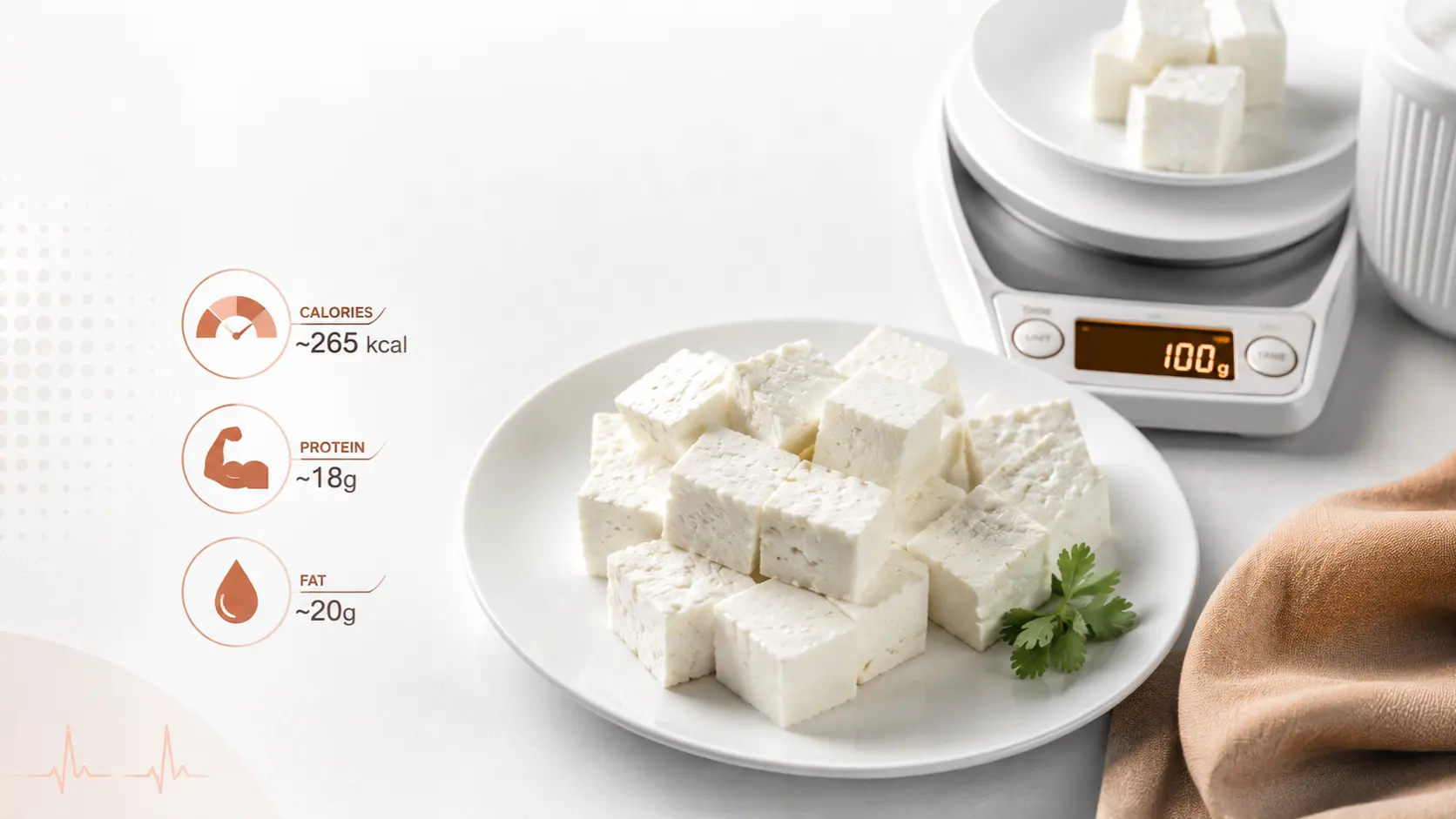
- Paneer
- Greek yogurt
- Lentils
Stay Hydrated
Proper hydration supports overall skin health and elasticity.
Consume Nutrients That Support Skin Health
Include foods rich in:
- Vitamin C
- Vitamin E
- Zinc
- Copper
- Omega-3 fatty acids
Can Exercise Remove Loose Skin?
Exercise cannot remove excess skin, but it can improve its appearance by increasing muscle mass underneath.
Benefits of exercise include:
- Better body contour
- Improved posture
- Increased strength
- Enhanced confidence
However, exercise cannot eliminate significant excess skin.
Non-Surgical Treatments
Several non-surgical options may improve mild to moderate loose skin.
Radiofrequency (RF)
Uses heat to stimulate collagen production.
Ultrasound Therapy
May improve skin firmness over time.
Microneedling
Encourages collagen remodeling and skin renewal.
Laser Skin Tightening
Can improve mild skin laxity in selected individuals.
When Is Surgery Recommended?
For individuals with significant excess skin causing:
- skin infections
- hygiene issues
- discomfort
- mobility limitations
- emotional distress
body contouring surgery may be considered.
Common procedures include:
- Abdominoplasty (tummy tuck)
- Arm lift
- Thigh lift
- Body lift
- Breast lift
A consultation with an experienced surgeon can help determine whether surgery is appropriate.
Loose Skin After Bariatric Surgery
Patients who undergo bariatric surgery often experience rapid and substantial weight loss, making loose skin more common.
Factors influencing skin changes include:
- starting weight
- age
- genetics
- nutrition
- exercise
- amount of weight lost
Body contouring procedures are sometimes performed after weight has stabilized.
Myths vs Facts
Myth |
Fact |
|---|---|
Creams remove loose skin completely
|
Creams may improve hydration but cannot remove excess skin.
|
Exercise removes loose skin
|
Exercise builds muscle but does not eliminate excess skin.
|
Everyone develops severe loose skin
|
The extent varies widely between individuals.
|
Surgery is always necessary
|
Many people do not require surgery, depending on the severity.
|
When Should You See a Doctor?
Consider seeking medical advice if loose skin:
- causes repeated skin infections
- leads to rashes or irritation
- interferes with physical activity
- affects hygiene
- causes significant emotional distress
- persists after your weight has been stable for 6–12 months
Frequently Asked Questions
Mild loose skin may improve over time, but significant excess skin after major weight loss often does not disappear completely without medical intervention.
Exercise can strengthen muscles and improve body contour but cannot remove excess skin.
Skin tightening can continue for several months after weight loss, particularly in younger individuals with good skin elasticity. Results vary from person to person.
Staying hydrated supports overall skin health, but hydration alone cannot eliminate excess loose skin.
Some studies suggest collagen supplements may improve skin elasticity, but evidence is still evolving, and they should not be viewed as a replacement for a balanced diet or medical treatment.
Yes. Because bariatric surgery often leads to substantial weight loss, many patients experience loose skin, especially around the abdomen, arms, thighs, and chest.
Conclusion
Experiencing loose skin after weight loss is a common part of the journey for many people who achieve significant weight reduction. While it can be frustrating, it is also a sign of the tremendous progress you’ve made toward improving your health.
The amount of loose skin depends on factors such as age, genetics, the amount of weight lost, and how long excess weight was carried. Building muscle, eating a protein-rich diet, maintaining stable weight, and following a healthy lifestyle may improve the skin’s appearance, while body contouring surgery remains an option for those with significant excess skin.
If loose skin is affecting your comfort, confidence, or quality of life, speaking with a qualified healthcare professional can help you understand the most appropriate treatment options and decide on the best next step.