Is Paneer Good for Diabetes?
Yes, paneer can be included in a diabetes-friendly diet when eaten in appropriate portions and prepared in a balanced way. Paneer is relatively low in carbohydrates and provides protein and fat, which can make it a useful part of a meal. However, full-fat paneer can be high in calories and saturated fat, so portion size and preparation matter.
Why Is Paneer Good for Diabetes?
One of the main reasons paneer can fit into a diabetes-conscious eating pattern is its nutritional composition.
Unlike foods that are primarily carbohydrate-based, paneer provides substantial protein and fat with relatively little carbohydrate.
This matters because carbohydrates have a more direct effect on blood glucose than protein and fat.
However, that doesn’t mean people with diabetes can eat unlimited amounts of paneer.
The overall meal still matters.
For example:
Paneer + vegetables + a controlled portion of whole-grain roti
is very different nutritionally from:
Paneer butter masala + naan + rice + sugary beverage.
The paneer itself is only one component of the meal.
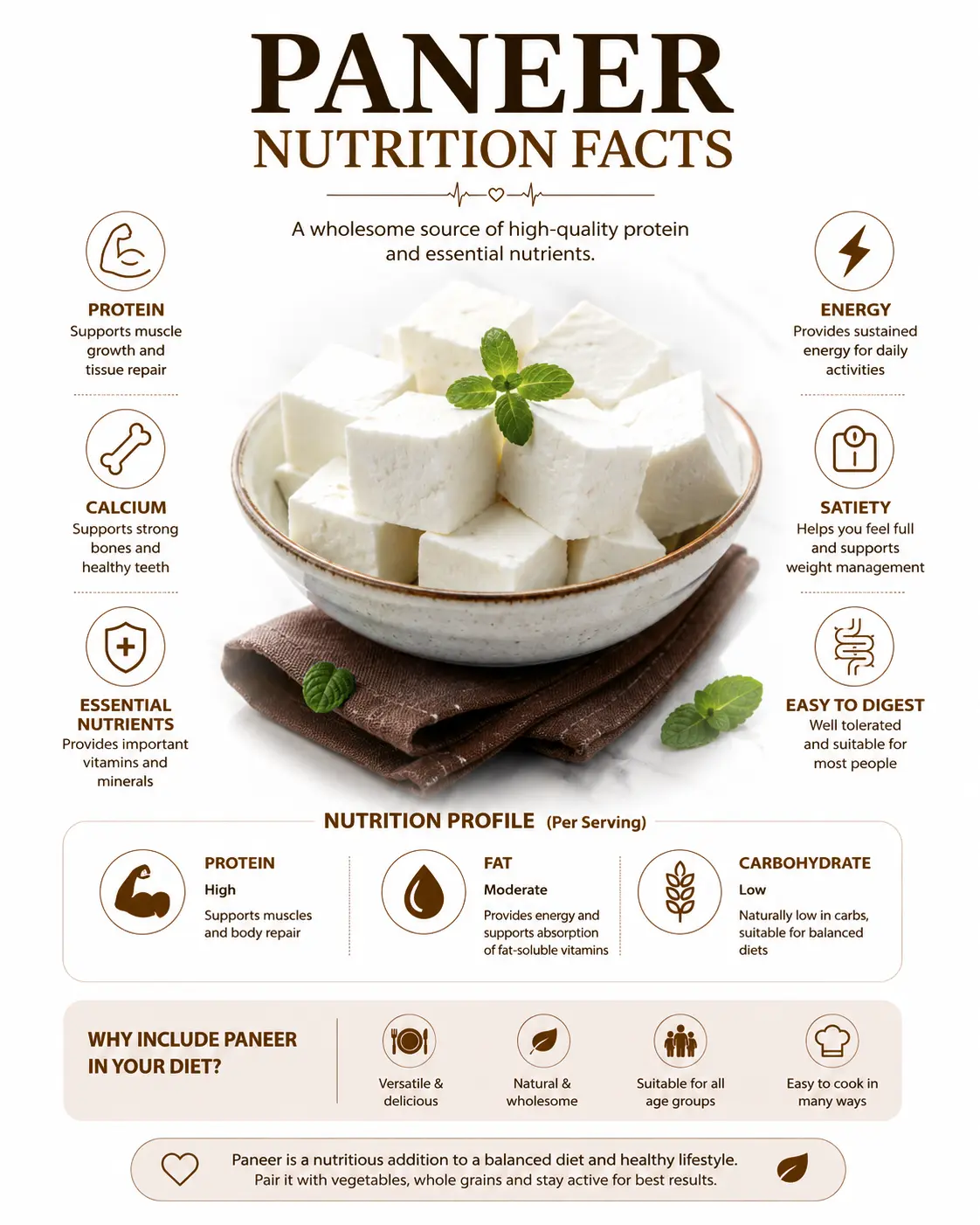
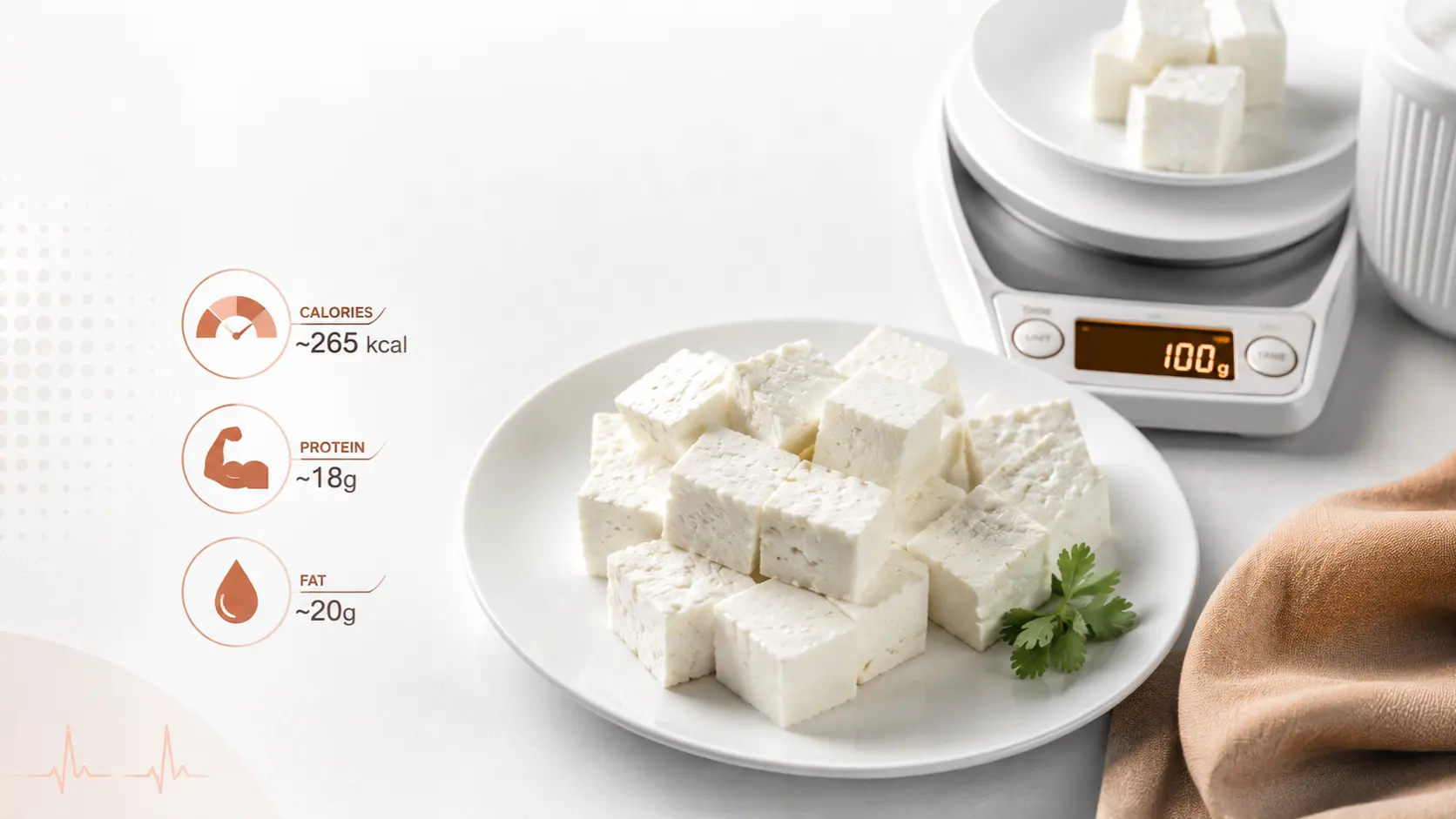
Paneer Nutrition: What Does It Provide?
The exact nutrition varies according to the milk used and how the paneer is produced.
A typical serving can provide:
- Protein
- Fat
- Calcium
- Phosphorus
- Vitamin B12 in varying amounts
- Calories
The nutritional profile can change considerably between homemade paneer, full-fat commercial paneer and reduced-fat varieties.
Therefore, check the nutrition label when using packaged paneer.
Protein in Paneer
Protein is one of paneer’s biggest nutritional advantages.
Protein contributes to:
- Muscle maintenance
- Satiety
- Overall dietary quality
- A balanced meal
For people trying to manage their weight alongside diabetes, including adequate protein can be useful because it may help make meals more filling.
However, paneer isn’t the only way to obtain protein.
Other options include:
- Dal
- Curd
- Eggs
- Fish
- Chicken
- Soy
- Tofu
- Beans
- Other pulses
The best choice depends on individual dietary preferences and nutritional requirements.
Read Our Guide : Is Curd Good for Diabetes?
Does Paneer Raise Blood Sugar?
Paneer generally contains relatively little carbohydrate compared with foods such as rice, bread, roti, potatoes and sweets.
As a result, plain paneer is not expected to raise blood glucose in the same way that a carbohydrate-rich food does.
However, the complete dish matters.
Consider two meals:
Meal A
Plain grilled paneer + vegetables + salad
Meal B
Paneer cooked in a sweet or creamy sauce + naan + rice
The carbohydrate content of the second meal can be considerably higher because of the accompanying ingredients.
Therefore, when managing diabetes, look beyond the paneer itself.
Is Paneer Low in Carbohydrates?
Plain paneer is generally considered a low-carbohydrate dairy food.
This is one reason it can be incorporated into many lower-carbohydrate meal patterns.
However, prepared paneer dishes may contain additional carbohydrates from:
- Gravy
- Cornflour
- Sugar
- Tomato-based sauces
- Sweet sauces
- Onion-heavy preparations
- Naan or bread served alongside the dish
Always consider the entire recipe.
How Much Paneer Can a Person With Diabetes Eat?
There isn’t one universal portion that is appropriate for everyone with diabetes.
A practical serving may be around 50–100 g, depending on the person’s total calorie and protein requirements and the rest of the meal.
For someone trying to lose weight, a smaller portion may be appropriate because paneer can be calorie-dense.
For someone with higher protein requirements, a healthcare professional may recommend a different amount.
The important principle is:
Portion size matters even when a food has a relatively low carbohydrate content.
Which Paneer Is Better for Diabetes?
If you’re choosing paneer regularly, consider the nutritional profile rather than assuming that every type is equally suitable.
Paneer Type |
What to Consider |
|---|---|
Full-fat paneer
|
Higher fat and calories
|
Low-fat paneer
|
Lower fat and calorie option
|
Homemade paneer
|
Nutrition varies according to milk used
|
Packaged paneer
|
Check nutrition label
|
Fried paneer
|
Higher calories because of added oil
|
Grilled paneer
|
Can be a lower-calorie preparation when little oil is used
|
Paneer in creamy gravy
|
Often much higher in calories
|
For people managing both diabetes and body weight, lower-fat paneer or smaller portions of regular paneer may be worth considering.
Paneer and Weight Loss in Diabetes
Weight management is important for many people with type 2 diabetes.
Paneer can be useful because its protein content can contribute to a filling meal. But paneer is not automatically a weight-loss food.
Full-fat paneer can contain a significant amount of energy.
For example, eating a large amount of paneer along with:
- Butter
- Cream
- Ghee
- Rice
- Naan
can create a calorie-dense meal.
If weight loss is your goal, focus on portion size and cooking method.
Read Our Guide : Which Rice Is Good for Diabetes?
Best Ways to Eat Paneer for Diabetes
The way paneer is prepared can make a substantial difference.
1. Grilled Paneer
Grilled paneer with vegetables can be a simple option.
Try combining it with:
- Capsicum
- Onion
- Tomato
- Mushrooms
- Spinach
Use a moderate amount of oil.
2. Paneer Bhurji
Paneer bhurji can be made with:
- Paneer
- Tomato
- Onion
- Capsicum
- Spices
- Coriander
Avoid excessive oil and butter.
3. Paneer With Vegetables
A vegetable-and-paneer stir-fry can provide protein along with fibre and micronutrients from vegetables.
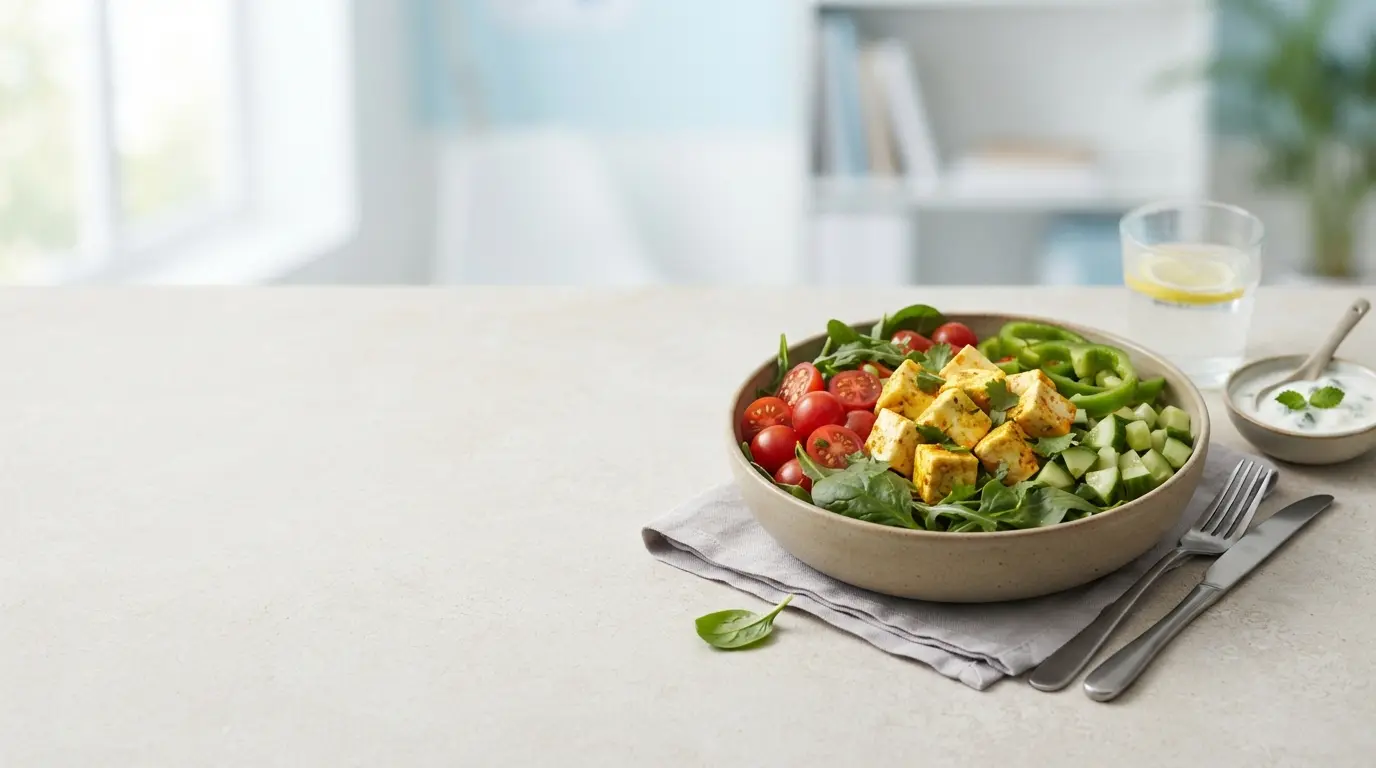
4. Paneer Salad
Cubes of paneer can be added to:
- Cucumber
- Tomato
- Lettuce
- Bell peppers
- Carrots
- Other non-starchy vegetables
This can make a filling meal or side dish.
Read Our Guide : Foods to Avoid With Diabetes
Paneer Dishes to Limit
You don’t necessarily need to completely eliminate traditional paneer dishes.
However, some preparations can be significantly higher in calories and saturated fat.
Examples include:
- Paneer butter masala
- Shahi paneer
- Paneer makhani
- Malai paneer
- Paneer tikka cooked with excessive oil
- Deep-fried paneer
- Paneer dishes served with large portions of naan
The issue isn’t simply that they contain paneer.
It’s the combination of paneer + added fats + refined carbohydrates + large portions.
Paneer vs Other Protein Sources for Diabetes
Food |
Main Nutritional Feature |
What to Consider |
|---|---|---|
Paneer
|
Protein + fat
|
Can be calorie-dense
|
Tofu
|
Protein
|
Often lower in saturated fat
|
Dal
|
Protein + fibre + carbohydrates
|
Carbohydrate portion matters
|
Eggs
|
Protein + fat
|
Very low in carbohydrate
|
Chicken
|
Protein
|
Preparation matters
|
Fish
|
Protein + healthy fats in some varieties
|
Preparation matters
|
Curd
|
Protein + dairy nutrients
|
Choose unsweetened varieties
|
This doesn’t mean one food is universally “better.”
A varied diet can provide a broader range of nutrients.
Is Low-Fat Paneer Better for Diabetes?
It can be a useful choice for people who need to control total calorie or saturated-fat intake.
Low-fat paneer generally provides less fat than traditional full-fat paneer.
However, don’t assume that low-fat automatically means healthier for everyone.
The appropriate choice depends on:
- Total calorie requirements
- Weight-management goals
- Overall diet
- Protein requirements
- Other health conditions
If you have diabetes alongside high cholesterol or cardiovascular risk, discussing your dietary fat intake with a healthcare professional can be particularly useful.
Can Diabetics Eat Paneer at Night?
For most people, the time of day is less important than the overall meal composition and portion size.
Paneer can be included in dinner if it fits your nutritional requirements.
A balanced dinner could include:
- Moderate paneer
- Non-starchy vegetables
- Salad
- Appropriate portion of whole grains or another carbohydrate source
Instead of focusing solely on whether paneer is suitable at night, consider the complete meal.
Can Diabetics Eat Paneer Every Day?
Paneer can potentially be eaten regularly, but eating the same food every day isn’t necessary.
A varied protein intake can include:
- Paneer
- Tofu
- Dal
- Beans
- Eggs
- Fish
- Chicken
- Unsweetened dairy products
If you eat paneer every day, pay attention to portion size and your total intake of saturated fat and calories.
Paneer and Saturated Fat
This is an important consideration that is sometimes missed when discussing paneer and diabetes.
Full-fat dairy products can contribute saturated fat to the diet.
For people with diabetes who also have cardiovascular risk factors, overall dietary fat quality matters.
Rather than simply asking:
“Does paneer raise blood sugar?”
it’s better to consider:
“Does this paneer-based meal fit my overall calorie, carbohydrate and fat requirements?”
That is a much more useful question for long-term dietary planning.
A Practical Paneer Meal for Someone With Diabetes
Consider this example:
Lunch
- 75 g grilled paneer
- Large serving of mixed vegetables
- Salad
- 1–2 small whole-wheat rotis, depending on individual requirements
- Unsweetened curd
This meal provides protein, vegetables, fibre and a controlled carbohydrate component.
Compare that with:
Restaurant-style meal
- Large serving of paneer butter masala
- 2–3 naan
- Rice
- Sweetened beverage
- Dessert
Both meals contain paneer.
But they have very different nutritional profiles.
This is why food quality, portion size and meal composition matter more than labeling a single food simply “good” or “bad.”
How to Include Paneer in a Diabetes-Friendly Diet
Step 1: Choose your portion
Start with a moderate serving rather than treating paneer as an unlimited protein source.
Step 2: Choose the preparation method
Prefer:
- Grilled
- Baked
- Lightly sautéed
- Homemade preparations with controlled oil
Step 3: Add vegetables
Vegetables increase meal volume and provide fibre and micronutrients.
Step 4: Control added fats
Measure oil, ghee and butter instead of adding them freely.
Step 5: Watch the carbohydrate pairing
Pay attention to portions of:
- Rice
- Roti
- Naan
- Bread
- Potatoes
Step 6: Monitor your individual response
If you monitor blood glucose, your readings can provide useful information about how a particular meal affects you.
People taking glucose-lowering medications should follow their clinician’s guidance regarding blood glucose monitoring.
Common Mistakes People Make
Mistake 1: Thinking Paneer Has No Calories
Paneer can be relatively low in carbohydrates, but it isn’t calorie-free.
Mistake 2: Eating Unlimited Paneer
Low carbohydrate does not mean unlimited.
Mistake 3: Ignoring the Gravy
The gravy can contain significant amounts of oil, butter, cream or sugar.
Mistake 4: Focusing Only on Blood Sugar
Diabetes management also involves cardiovascular health, body weight, blood pressure, lipid levels and overall dietary quality.
Mistake 5: Choosing "Healthy" Paneer Dishes at Restaurants Without Checking Portions
Restaurant portions can be considerably larger and richer than home-cooked portions.
What Does the Evidence Say?
Major diabetes organizations generally emphasize individualized meal planning, appropriate carbohydrate intake, nutrient-dense foods and overall dietary quality rather than requiring people with diabetes to eliminate specific whole foods universally.
The American Diabetes Association’s nutrition guidance emphasizes individualized eating patterns and the quality and quantity of carbohydrates, along with overall health goals.
For people with diabetes, dietary recommendations should also take into account medications, glucose levels, cardiovascular risk, kidney health and personal preferences.
This is particularly important because a diet appropriate for one person with diabetes may not be appropriate for another.
Frequently Asked Questions
Yes, paneer can be included in a diabetes-friendly diet because it is relatively low in carbohydrates and provides protein. Portion size, fat content and the way it is prepared should still be considered.
Plain paneer contains relatively little carbohydrate, so it generally has less direct effect on blood glucose than carbohydrate-rich foods. However, paneer dishes may contain carbohydrates from sauces, gravies and foods served alongside them.
A moderate serving of approximately 50–100 g may fit into many meal plans, but the appropriate portion varies according to individual calorie, protein and dietary requirements.
Low-fat paneer can be useful for people who need to reduce calorie or saturated-fat intake. However, the best choice depends on the person’s overall diet and health requirements.
Paneer can generally be included at dinner. The overall portion, meal composition and total daily carbohydrate and calorie intake are more important than simply eating paneer at night.
Paneer can be eaten regularly, but dietary variety is beneficial. Rotating paneer with foods such as tofu, dal, eggs, fish, chicken and unsweetened dairy can provide a wider range of nutrients.
Neither is universally better. Both can provide protein with relatively little carbohydrate, but their calorie, fat and nutrient profiles differ. The better choice depends on individual dietary needs and preferences.
Conclusion
So, is paneer good for diabetes? Yes, paneer can be part of a balanced diabetes-friendly diet, particularly because plain paneer is relatively low in carbohydrates and provides protein.
But the portion and preparation method matter. A moderate serving of grilled or lightly cooked paneer with vegetables is very different from a large restaurant-style serving cooked with butter, cream and excess oil and served alongside naan or rice.
For people with diabetes, the goal shouldn’t be to label individual foods as simply “good” or “bad.” Instead, focus on portion size, carbohydrate intake, overall meal composition, calorie intake and dietary quality.
If you have diabetes and are unsure how much paneer or other foods should be included in your diet, a doctor or registered dietitian can help create a meal plan based on your individual health needs.