Which Rice Is Good for Diabetes? Best Rice Choices for Better Blood Sugar Control
For millions of Indians living with diabetes, rice is often one of the most confusing foods. Since rice is a staple in many Indian households, patients frequently ask: which rice is good for diabetes? Do you need to stop eating rice completely, or are some varieties better than others?
The good news is that diabetes does not necessarily mean giving up rice forever. The type of rice, its glycemic index, portion size, and what you eat alongside it all play a role in blood sugar control.
Certain varieties such as basmati rice, brown rice, red rice, and black rice may be better options than regular polished white rice because they generally have more fiber and a lower glycemic impact.
In this guide, you’ll learn which rice is good for diabetes, how different rice varieties affect blood sugar, and practical ways to include rice in a diabetes-friendly diet.
Direct Answer: Which Rice Is Good for Diabetes?
The best rice for diabetes is typically rice with a lower glycemic index and higher fiber content, such as brown rice, basmati rice, red rice, and black rice. These varieties digest more slowly than highly polished white rice and may cause a smaller rise in blood sugar when eaten in appropriate portions.
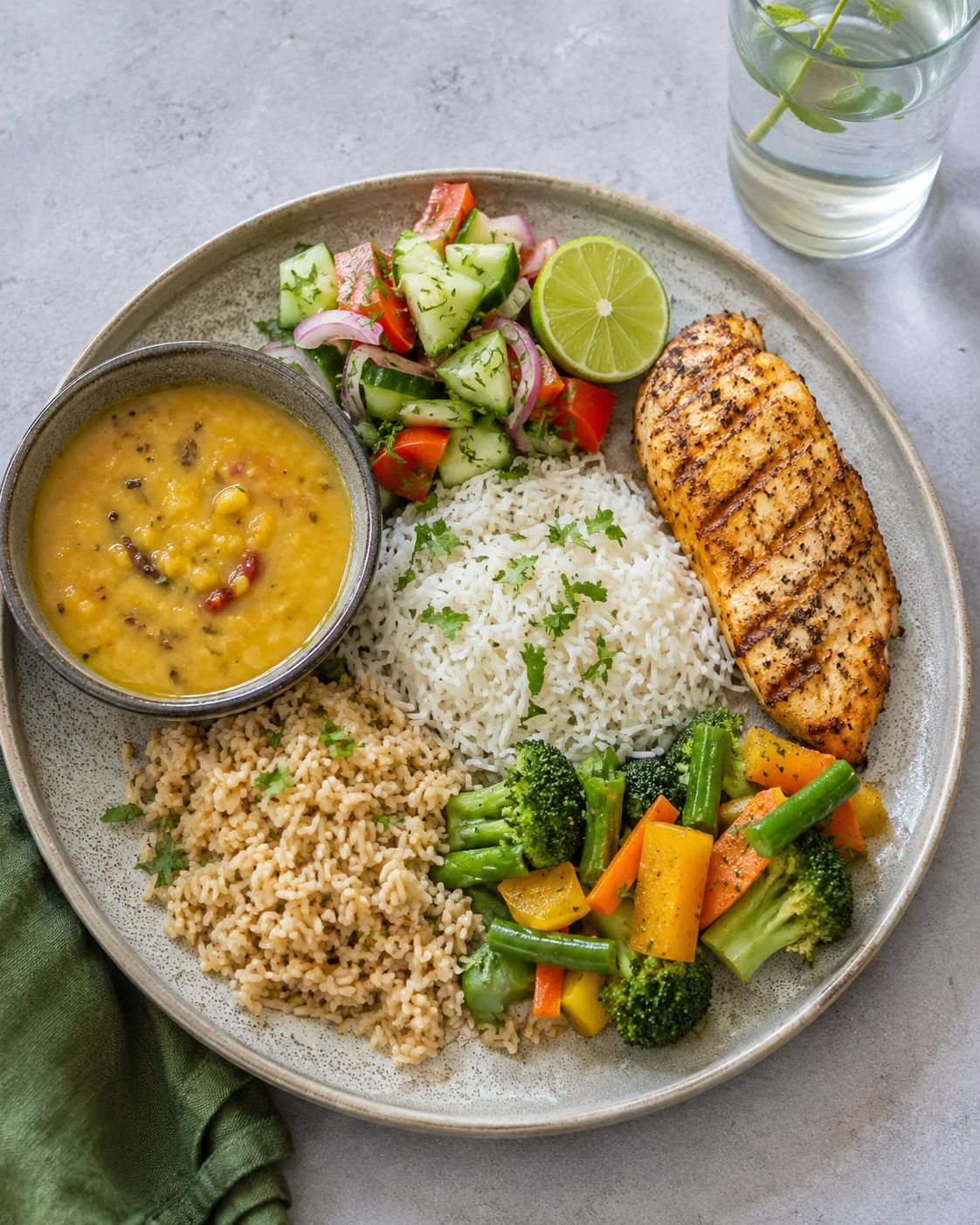
Can Diabetics Eat Rice?
One of the biggest myths about diabetes is that rice must be completely eliminated.
In reality:
Diabetics can eat rice.
Portion control matters.
Rice variety matters.
Meal composition matters.
A small serving of lower-GI rice paired with protein and vegetables often has a different effect than a large plate of white rice eaten alone.
Understanding the Glycemic Index of Rice
The glycemic index (GI) measures how quickly a food raises blood sugar levels.
Generally:
- Low GI: 55 or below
- Medium GI: 56–69
- High GI: 70 and above
Foods with a lower GI are absorbed more slowly and may help support better blood sugar control.
Glycemic Index of Common Rice Varieties
Rice Variety |
Approximate GI |
Diabetes-Friendly Rating |
|---|---|---|
White Rice
|
70–89
|
Poor
|
Brown Rice
|
50–68
|
Good
|
Basmati Rice
|
50–58
|
Very Good
|
Red Rice
|
55–65
|
Good
|
Black Rice
|
42–55
|
Excellent
|
Parboiled Rice
|
38–50
|
Excellent
|
While GI is useful, portion size remains equally important.
Best Rice for Diabetic Patients
1. Basmati Rice
Basmati rice is often considered one of the best rice options for diabetes.
Benefits
- Lower GI than many white rice varieties
- Aromatic and satisfying
- Easily available in India
- Works well with portion-controlled meals
Best Practice
Pair with:
- dal
- vegetables
- paneer
- lean protein
2. Brown Rice
Brown rice retains its bran and germ layers, providing more nutrients and fiber.
Benefits
- Higher fiber content
- Slower digestion
- Better satiety
- Rich in magnesium
Limitation
Some people find brown rice harder to digest than white rice.
3. Red Rice
Red rice contains antioxidants and fiber that are removed during polishing.
Benefits
- Rich in nutrients
- More filling
- Lower glycemic impact than white rice
Popular varieties are commonly consumed in South India and Kerala.
4. Black Rice
Black rice is among the most nutrient-dense rice varieties available.
Benefits
- High antioxidant content
- Lower GI
- Rich in fiber
Because it is less common and more expensive, it is not always practical for daily use.
5. Parboiled Rice
Parboiling changes the starch structure of rice.
Benefits
- Lower GI than many white rice varieties
- Better nutrient retention
- Popular in several regions of India
This makes it one of the most overlooked diabetes-friendly rice choices.
White Rice vs Brown Rice for Diabetes
Feature |
White Rice |
Brown Rice |
|---|---|---|
Fiber
|
Low
|
High
|
Processing
|
Highly processed
|
Less processed
|
GI
|
Higher
|
Lower
|
Satiety
|
Lower
|
Higher
|
Nutrients
|
Lower
|
Higher
|
Brown rice generally has nutritional advantages, but portion control remains important for both.
Benefits of Choosing the Right Rice for Diabetes
Selecting a better rice variety may help:
- reduce blood sugar spikes
- improve satiety
- support weight management
- improve dietary quality
- increase fiber intake
The goal is not perfection—it is making smarter food choices consistently.
How Much Rice Can a Diabetic Eat?
Even healthy rice varieties can affect blood sugar if portions are excessive.
A typical serving recommendation is:
Cooked Rice
- ½ to 1 cup per meal
The ideal amount depends on:
- activity level
- medications
- weight goals
- overall carbohydrate intake
Read Our Guide Diabetic Diet Chart India
What Should You Eat With Rice?
Rice should rarely be eaten alone.
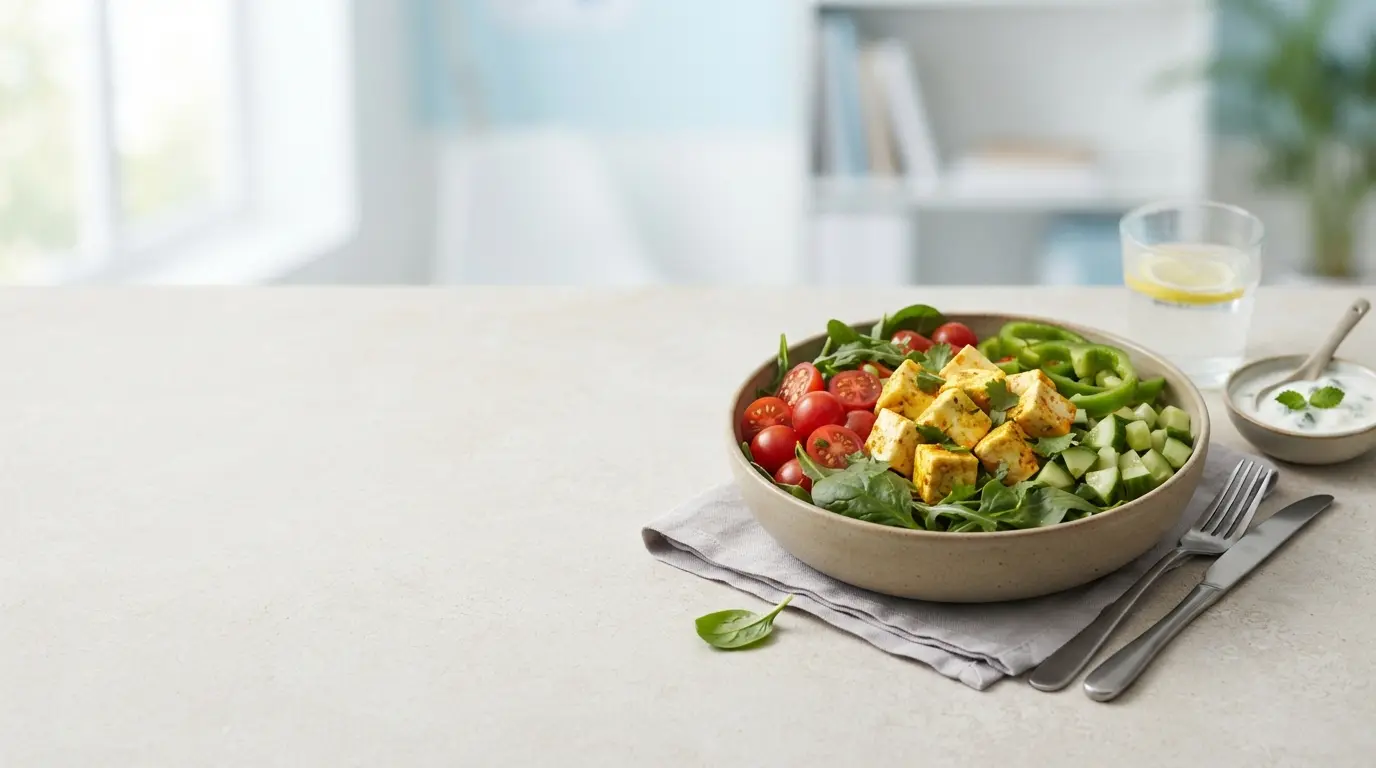
A balanced diabetic plate should include:
50% Vegetables
Examples:
- spinach
- beans
- cauliflower
- cucumber
25% Protein
Examples:
- dal
- paneer
- fish
- chicken
- eggs
25% Rice
This approach slows digestion and improves blood sugar management.
Common Mistakes Diabetic Patients Make With Rice
Eating Large Portions
Even lower-GI rice can raise glucose levels when eaten excessively.
Eating Rice Without Protein
Protein helps reduce rapid glucose absorption.
Choosing Highly Polished Rice
More processing usually means less fiber.
Ignoring Total Daily Carbohydrates
Rice is only one part of the overall diet.
Read Our Guide Foods to Avoid With Diabetes
Real-World Example
A 52-year-old man with Type 2 diabetes consumed large portions of white rice at lunch and dinner daily.
After consulting a nutrition professional, he:
- switched to basmati rice
- reduced portion sizes
- increased vegetable intake
- added protein to meals
Within several weeks, he experienced more stable post-meal blood sugar readings and improved satiety.
Step-by-Step Guide to Eating Rice Safely With Diabetes
Step 1: Choose Lower-GI Rice
Prefer:
- basmati rice
- brown rice
- red rice
- black rice
Step 2: Control Portions
Aim for:
- ½ to 1 cup cooked rice
Step 3: Add Protein
Examples:
- dal
- paneer
- eggs
Step 4: Add Vegetables
Vegetables increase fiber and slow glucose absorption.
Step 5: Monitor Your Blood Sugar
Different people respond differently to foods.
Track glucose readings and adjust accordingly.
Helpful Tools for Diabetes Management
Useful tools include:
- glucometers
- continuous glucose monitors (CGMs)
- meal tracking apps
- food journals
- diabetes management apps
These tools can help identify which rice varieties work best for individual needs.
Frequently Asked Questions
Basmati rice, brown rice, red rice, black rice, and parboiled rice are generally considered better options because they have a lower glycemic impact than highly polished white rice.
Many diabetics can include rice daily as part of a balanced diet if portion sizes are controlled and meals include protein and vegetables.
Yes. Basmati rice typically has a lower glycemic index than many other white rice varieties and can be a suitable choice in moderation.
Brown rice contains more fiber and nutrients, which may help support better blood sugar control.
The glycemic index varies by rice type. White rice is often high GI, while basmati, brown, red, black, and parboiled rice generally have lower GI values.
Many diabetic patients can include approximately ½ to 1 cup of cooked rice per meal, depending on individual needs and overall carbohydrate intake.
No. Most people with diabetes do not need to eliminate rice entirely. Choosing better rice varieties and controlling portions are often more important.
Conclusion
If you’re wondering which rice is good for diabetes, the best choices are typically basmati rice, brown rice, red rice, black rice, and parboiled rice. These varieties generally have a lower glycemic impact and may help support better blood sugar management when eaten in moderation.
The most important factor is not simply the type of rice—it is how much you eat and what you eat with it. Combining rice with vegetables, protein, and healthy fats can help reduce blood sugar spikes and improve overall meal quality.
Rather than eliminating rice completely, focus on smarter choices, portion control, and a balanced diet that supports long-term diabetes management.