How Many Calories Are in 1 Chapati? The Complete Flour, Size & Fat Guide
If you are tracking your daily macronutrients or embarking on a weight-loss journey, estimating your daily carbohydrate intake can quickly become frustrating. For millions of households, flatbreads are a non-negotiable daily staple. Yet, when you log your meal into a fitness app, you are often faced with wildly varying numbers.
So, how many calories are in 1 chapati? The exact answer depends on three main variables: the flour type, the dough ball size, and whether you brush it with ghee or butter.
In this comprehensive guide, we will break down the precise caloric and macronutrient profile of flatbreads, compare different whole-grain flours, analyze the impact of added fats, and provide actionable tips to enjoy traditional flatbreads while easily reaching your body composition goals.
Direct Answer: How Many Calories Are in 1 Chapati?
On average, 1 chapati made from whole wheat flour (approx. 20g dry dough) contains between 70 to 80 calories, along with 15 grams of carbohydrates, 3 grams of protein, and less than 1 gram of fat. Adding one teaspoon of ghee or butter adds an additional 45 calories, bringing the total to 115–125 calories.
The Caloric Anatomy of a Chapati: Grain by Grain
To understand the energy density of flatbread, we must analyze the raw ingredients. Whole wheat flour (atta) is predominantly complex carbohydrates, with moderate plant protein and minimal native fat.
Raw Wheat Flour (Atta) ➔ Water & Kneading ➔ Dough Ball (20g–30g) ➔ Dry Roast on Tawa ➔ Final Chapati
Dough Mass Matters
A primary reason for calorie confusion in tracking apps is varying portion sizes across different regions and households:
- Small (15g dry flour / ~35g cooked): 50–55 kcal
- Medium / Standard (20g–25g dry flour / ~45g cooked): 70–80 kcal
- Large / Restaurant Style (35g–40g dry flour / ~70g cooked): 115–130 kcal
The Impact of Added Fat (Ghee, Butter, or Oil)
Standard dry roasting on a cast-iron skillet (tawa) keeps the fat content under 1 gram. However, brushing pure clarified butter (ghee) dramatically changes the energy density:
Total Energy = Base Chapati Calories + Added Fat Calories
- Dry Whole Wheat Chapati: ~75 kcal | 0.8g Fat
- Chapati with 1/2 tsp Ghee (~2.5g): ~98 kcal | 3.3g Fat
- Chapati with 1 full tsp Ghee (~5g): ~120 kcal | 5.8g Fat
Nutritional Comparison Table: Chapati by Flour Type
Different whole grains yield varying fiber, protein, and micronutrient levels. The comparison table below evaluates standard 25g dry flour portions across popular grain types:
Flour Type |
Calories (kcal) |
Carbohydrates (g) |
Dietary Fiber (g) |
Protein (g) |
Fat (g) |
Glycemic Index (GI) |
|---|---|---|---|---|---|---|
Standard Whole Wheat (Atta)
|
75
|
15.0
|
2.5
|
3.0
|
0.8
|
~62 (Medium)
|
Multigrain (Wheat + Soy + Oats)
|
72
|
13.5
|
3.8
|
4.2
|
1.0
|
~52 (Low)
|
Finger Millet (Ragi)
|
68
|
14.2
|
3.2
|
1.8
|
0.4
|
~54 (Low)
|
Pearl Millet (Bajra)
|
82
|
14.8
|
2.8
|
2.6
|
1.2
|
~55 (Low)
|
Sorghum (Jowar)
|
70
|
14.5
|
3.0
|
2.2
|
0.5
|
~50 (Low)
|
Refined Flour (Maida / Naan)
|
88
|
18.2
|
0.6
|
2.0
|
0.5
|
~72 (High)
|
Health Benefits of Traditional Whole Wheat Chapati
When integrated into a balanced dietary pattern, whole wheat flatbread offers substantial nutritional advantages over refined breads:
High Dietary Fiber: Unrefined whole wheat flour retains the outer bran layer, supporting smooth digestion and gut microbiome diversity.
Sustained Energy Release: Unlike white bread or refined pastries, complex carbs in whole grains break down gradually, maintaining stable blood glucose levels.
Rich in Essential Minerals: Provides key micronutrients, including magnesium, phosphorus, iron, and B-complex vitamins (especially B1, B3, and B9).
Naturally Satiating: The combination of dietary fiber and complex starches signals fullness to the brain, helping prevent overeating later in the day.
Limitations & Mistakes When Tracking Flatbread Calories
While wholesome, flatbreads can present tracking hurdles for fitness enthusiasts:
The “Ghee Illusion”: Adding ghee directly from a spoon without using a digital food scale often leads to underestimating calorie intake by 100 to 200 calories per meal.
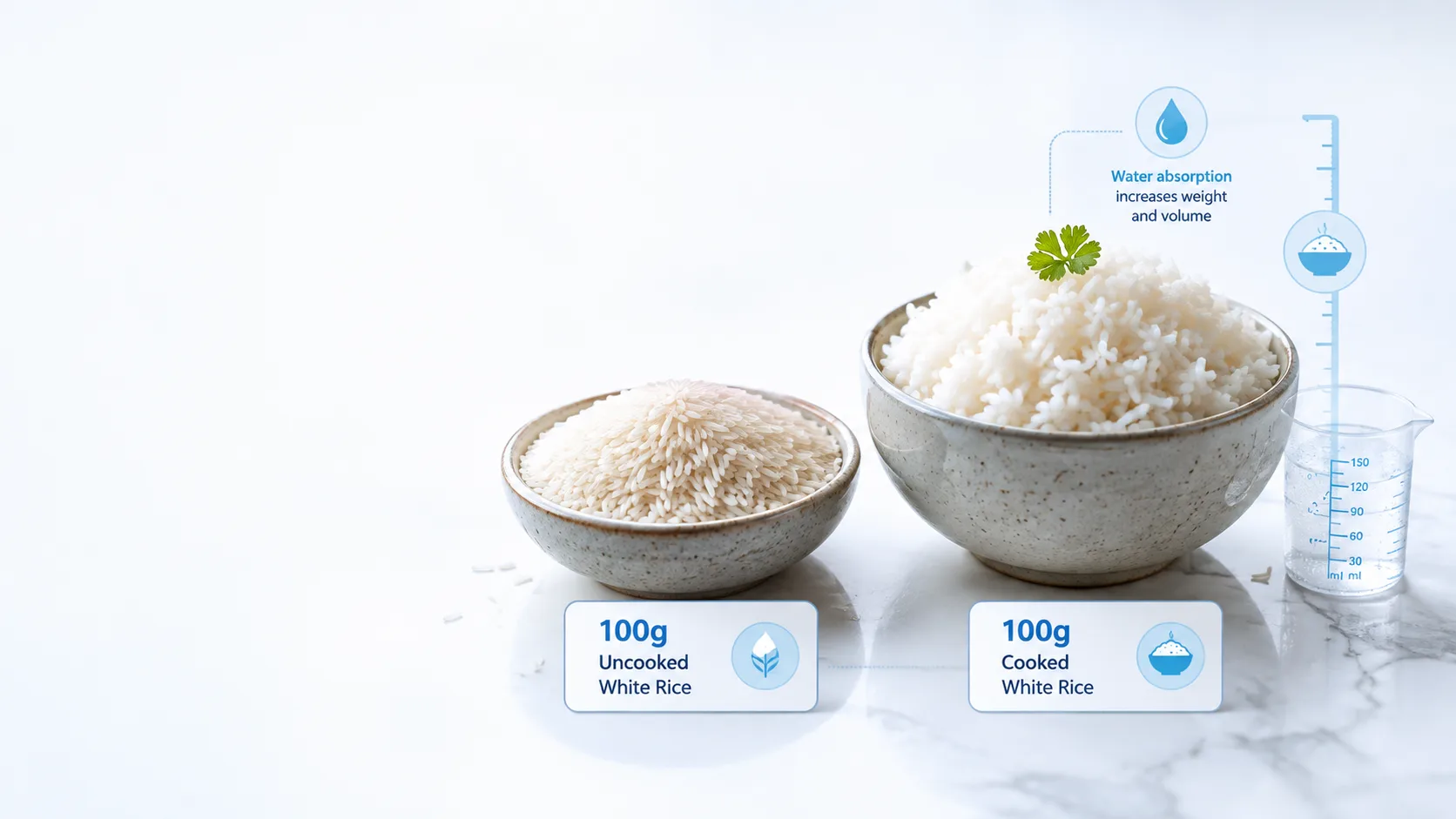
Variable Water Content: Dough hydration changes the weight of the cooked product. Always weigh your flour dry rather than weighing cooked flatbreads for maximum tracking accuracy.
Lack of Fiber in Refined Varieties: Commercial or restaurant varieties often mix refined wheat flour (maida) with whole wheat flour to improve stretchiness, raising the glycemic index and lowering fiber.
Real-World Case Study: Managing Carbs for Weight Loss
Let’s look at how swap choices impact daily energy intake for a real-world scenario.
Meet Rahul (32-year-old Corporate Manager)
Goal: Fat loss maintaining a target daily budget of 1,800 kcal.
Original Dinner: 3 Large Chapatis with 1 tsp Ghee each + Oil-heavy Curry.
Calculation: (115 kcal * 3) + (45 kcal ghee * 3) = 480 kcal from flatbread alone.
Modified Dinner: 2 Medium Multigrain Chapatis (Dry) + 1 bowl Dal + Green Salad.
Calculation: 72 kcal * 2 = 144 kcal from flatbread.
Result: By adjusting portion size, switching to multigrain flour, and omitting extra brushed fat, Rahul saved 336 calories per dinner. Over a month, this subtle shift creates a cumulative deficit equivalent to losing nearly 1kg of body fat without eliminating staple foods from his diet.
Step-by-Step Guide: How to Make Low-Calorie, High-Fiber Chapatis
Follow this recipe formula to boost the protein and fiber content of your flatbreads while keeping overall energy density low:
Create a High-Fiber Flour Blend: Mix 70% whole wheat flour (atta) with 15% oat flour and 15% defatted soy flour or psyllium husk (isabgol).
Knead with Warm Water & Herbs: Knead the dough using warm water or low-fat buttermilk (chaas). Add cumin seeds or carom seeds (ajwain) to improve digestion.
Rest the Dough: Allow the dough to rest covered for 20 minutes. This hydrates the bran fully, yielding softer flatbreads without needing oil in the dough.
Roll Thin & Uniform: Divide into small 20-gram dough balls. Roll thinly using minimal dry dusting flour.
Dry Bake on High Heat: Place on a preheated cast-iron skillet (tawa). Flip after 30 seconds, cook the second side, and press lightly with a clean cloth or puff directly over an open flame. Serve fresh without added butter.
Recommended Tracking Tools & Accessories
To accurately track how many calories are in 1 chapati during your meal prep, consider using these digital fitness resources:
Digital Kitchen Scale: Accurately measure raw flour in grams before adding water to eliminate guessing.
Fitness Tracking Apps: Platforms like MyFitnessPal, Cronometer, or HealthifyMe allow custom recipe creation so you can log your exact homemade flour blend.
Measuring Spoons: Ensure precise measurement of healthy fats like ghee or mustard oil.
Frequently Asked Questions
A standard medium-sized whole wheat chapati (made with 20g of dry flour) without ghee contains approximately 70 to 75 calories.
Yes. Whole wheat or millet chapatis are rich in complex carbohydrates and fiber, making them highly filling. They support weight loss as long as they fit within your total daily calorie budget.
Millet flours like Sorghum (Jowar) and Finger Millet (Ragi) offer lower caloric density per portion along with lower glycemic impact compared to refined white wheat flour.
Two medium-sized whole wheat chapatis brushed with 1 teaspoon of ghee each contain approximately 230 to 250 calories combined.
Yes. Water added during kneading increases the final weight of the dough ball. However, water contains zero calories. Always calculate nutrition based on the dry flour weight prior to adding water.
Chapati generally provides higher dietary fiber, protein, and dietary minerals than polished white rice, leading to slower digestion and improved satiety per serving.
Conclusion
Understanding how many calories are in 1 chapati empowers you to enjoy traditional home-cooked meals while remaining in full control of your fitness goals.
By keeping track of raw flour portions, choosing high-fiber grains like jowar, ragi, or multigrain blends, and being mindful of brushed fats like ghee, you can easily align flatbreads with your health ambitions.
Take Action Today: Weigh your dough balls during your next meal preparation to determine your exact portion size. Try swapping standard white wheat flour for a high-fiber millet blend this week to stay full longer!